
Unlike our guests, who can curl up beside a crackling fireplace, soak in the comfort of a luxurious suite, or savour a warm cup of coffee while overlooking the bushveld, the wildlife of Mjejane has its own ways of navigating the cooler winter months. While true hibernation is rare in the Kruger region due to the Lowveld’s mild climate, many of the reserve’s smaller residents enter states of dormancy, torpor, or aestivation to conserve energy and survive seasonal changes. These remarkable adaptations reveal a fascinating side of the bush that often goes unnoticed.
Slow and Steady Wins the Race
One of the most remarkable winter survival strategies belongs to the Southern African Hedgehog. During the coldest periods, these small mammals enter a state known as torpor. Unlike true hibernation, torpor allows them to temporarily lower their body temperature and heart rate, significantly reducing their energy requirements and movement. Hidden away in sheltered spots, they wait patiently for warmer conditions to return.
Taking a Seasonal Pause
As winter arrives and insect populations decline, many bat species face a challenge in finding enough food. To overcome this, some bats enter a state of winter torpor, slowing their metabolism and reducing activity levels. Others may relocate to warmer areas where food remains more readily available. It’s a remarkable example of nature’s ability to adapt to changing environmental conditions.
A Winter underground
For reptiles, winter brings an entirely different set of challenges. As cold-blooded animals, tortoises, skinks, and various lizard species rely on external temperatures to regulate their bodies. During cooler months, they become far less active, often retreating deep into burrows, beneath rocks, or into sheltered crevices. There they remain protected from the cold until warmer days encourage them to emerge once again.
Waiting Out the Dry Season
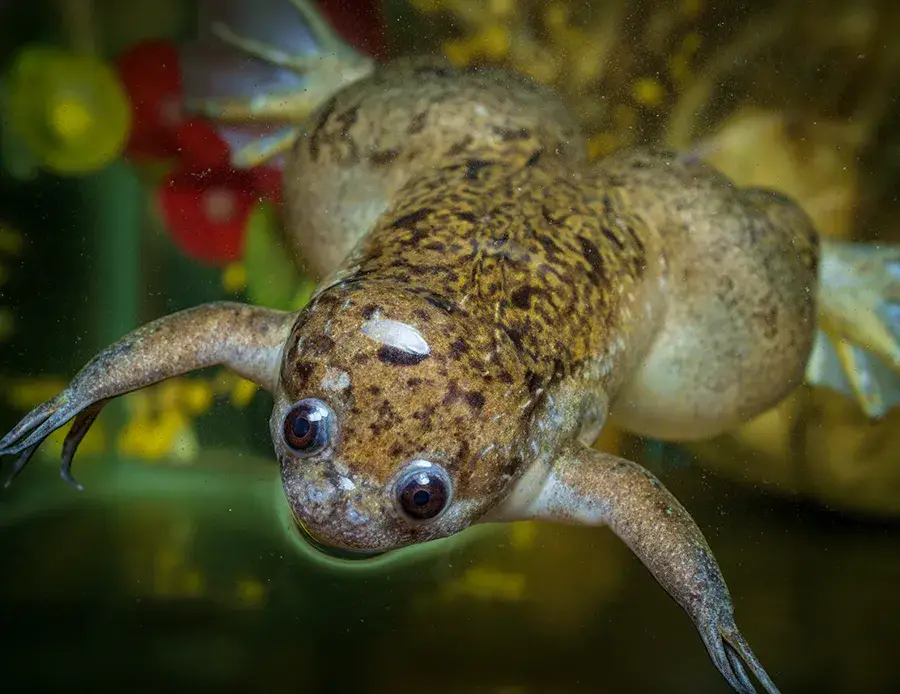
Some of the Kruger’s amphibians have mastered the art of patience. Species such as the African Bullfrog and African Clawed Frog can enter a state known as aestivation. As water sources shrink and conditions become increasingly dry, these frogs burrow into the mud, creating protective chambers where they remain dormant for months. When the rains finally return, they emerge ready to continue their life cycle.
Winter Wildlife Viewing at Its Best
While some of the reserve’s smaller residents retreat from view, the iconic wildlife that draws visitors to Mjejane remains active throughout winter. In fact, the dry season is often considered one of the best times for game viewing. As vegetation thins and animals gather around permanent water sources, sightings become easier and often more rewarding. Lions, elephants, buffalo, giraffes, and antelope continue their daily routines, making the most of the crisp winter days.
Discover the Bush's Hidden Stories
Winter in the Kruger is not a season of stillness but rather one of quiet adaptation. Beneath the surface, countless species are employing extraordinary survival strategies that have evolved over thousands of years. For guests at Fifty-Five Mjejane, this season offers the chance to experience the bush from a different perspective—one where every sighting tells a deeper story of resilience, survival, and the remarkable rhythms of nature.