When the bush is at its lushest and the skies are alive, Mjejane Game Reserve becomes a stage for its more colourful residents. From riverbanks to treetops, every habitat sings with wings—perfect for bird‑lovers staying at Fifty‑Five Mjejane.
Water’s Edge & River Habitats
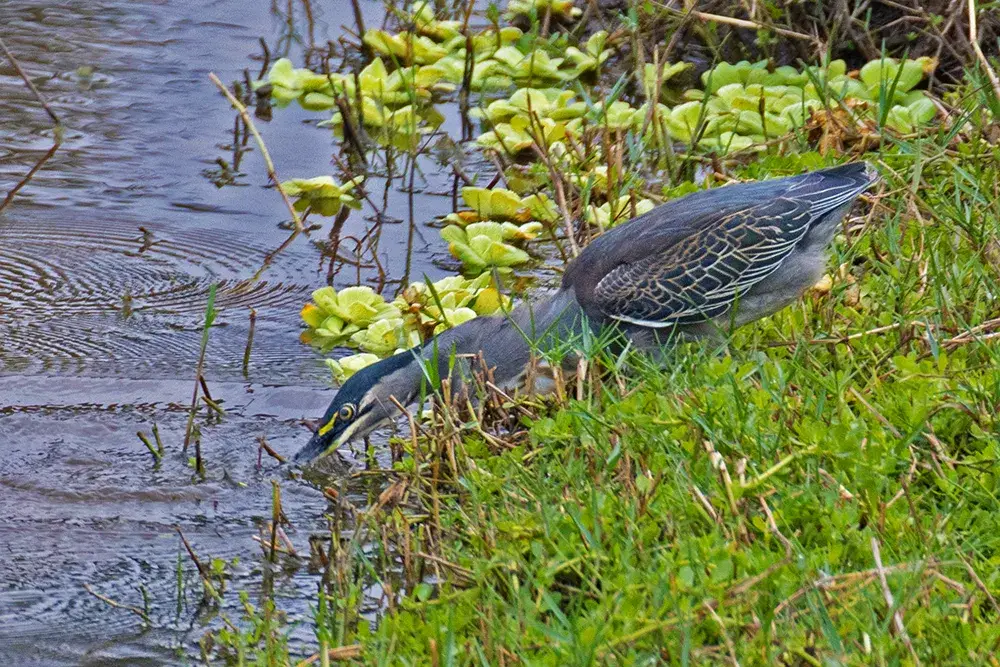
The Crocodile River and nearby dams are magnets for water birds. Along the river banks, guests often spot African Fish Eagle, a regal silhouette against sky and water. Herons are plentiful—Goliath Heron, Green‑backed Heron, and Little Egret especially along shallow edges. Large wading birds also include Yellow‑billed Stork. If you’re really lucky, species like African Finfoot or Black Heron may appear in quieter, less disturbed water zones.
Mudflats exposed when river levels drop or near pans offer feeding grounds for birds like Green Sandpiper. The vegetation and shoreline also support species that enjoy both water and land.
Grasslands, Open Plains & Flowered Edges
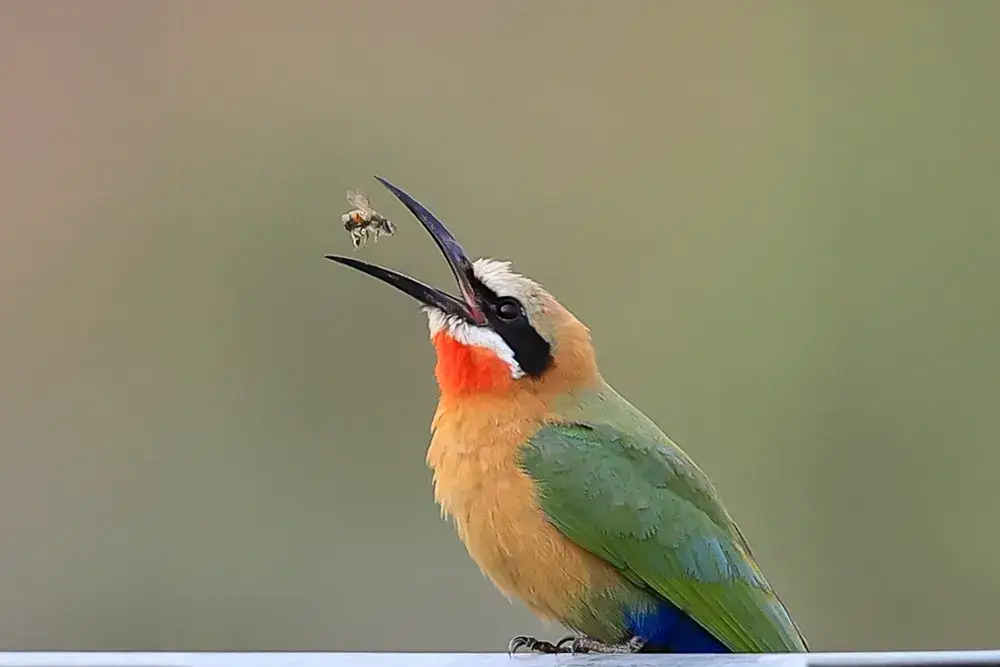
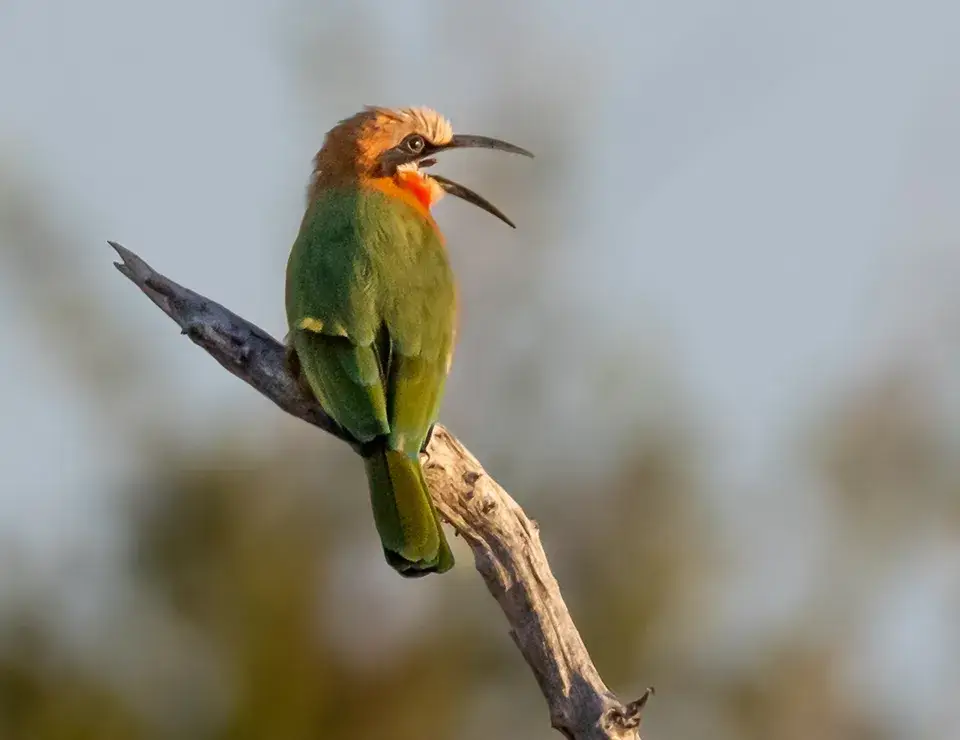
In open grassy patches and along edges of bushveld where there are flowering trees or hives, you’ll find dazzling insectivorous species and ground‑dwelling birds. White‑fronted Bee‑eater and European & Carmine Bee‑eaters hover and swoop among blooms in search of insects.
Other birds you might encounter in open areas include the stately Secretarybird striding across plains, Saddle‑billed Stork standing tall near wetter ground, and the buffy, quiet species like Red‑billed Firefinch, Jameson’s Firefinch, or Bronze‑Winged Courser.
Trees, Bushes & Sky – Raptors, Owls & Vocal Residents
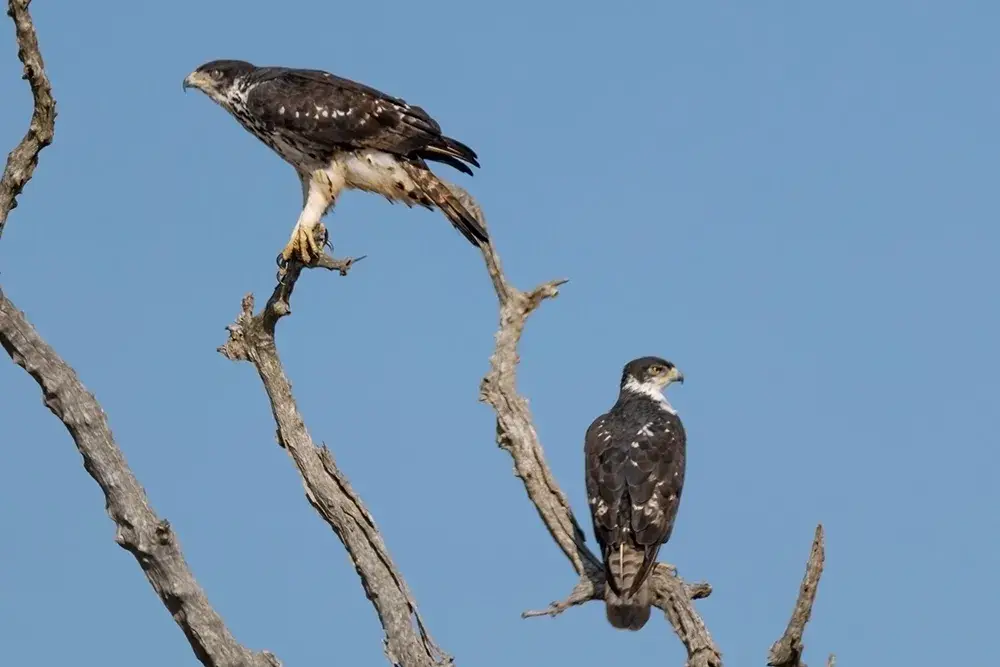
High in trees and along ridgelines, raptors hold court. Among them, Wahlberg’s Eagle and Lesser‑spotted Eagle are regulars, scanning the land for prey. Fish‑eaters and other kingfishers circle over branches by rivers or hover above pools.
In shaded bush and riverine forest, the calls of night birds such as Scops Owl and the massive Verreaux’s Eagle Owl might catch you off guard—silent in flight, loud in presence.
Smaller birds, ever‑active in the foliage, include Crested Barbet, Dark‑capped Bulbul, Levaillant’s Cuckoo, and Pink‑throated Twinspot—all drawn to trees with fruit, insects, or nesting sites.
Why Summer Birding at Fifty‑Five Mjejane Is Special
- Migrants return: Summer brings many migratory species to Mjejane’s habitats, swelling the bird list and diversity.
- Varied habitats nearby: With the river, open plains, bushveld, and forested edges all accessible, guests often can see many different bird types without having to travel far.
- Expert guides & quiet moments: Game drives, lodge decks, river hides—these offer ideal vantage points. Guides familiar with bird behaviour help spot rarer species.
Tips for Birders Staying at Fifty‑Five Mjejane
Bring binoculars and a bird guidebook or app—some of the finer plumage differences are subtle.
Early mornings and late afternoons tend to offer the best light and the most activity.
Stay near water’s edge and riverbanks during periods when water levels are moderate—ideal for water‑birds.
Keep an eye on flowering trees for bee‑eaters and insectivores.
On game drives, ask if your ranger can linger quietly in promising habitats (e.g. groves, waterholes, treetops).
See Them in Comfort & Style
At Fifty‑Five Mjejane, birding isn’t just a side activity—it’s woven into the stay. From your private suite decks you’ll hear the dawn chorus, from river hides you’ll spot herons and eagles, from game drives you’ll glimpse rarer birds and hear the night‑time calls that few get to hear. All while enjoying luxury, privacy, and expertly guided wildlife encounters. If you love colour, song, or still moments looking for wings in the trees, this is your season.